
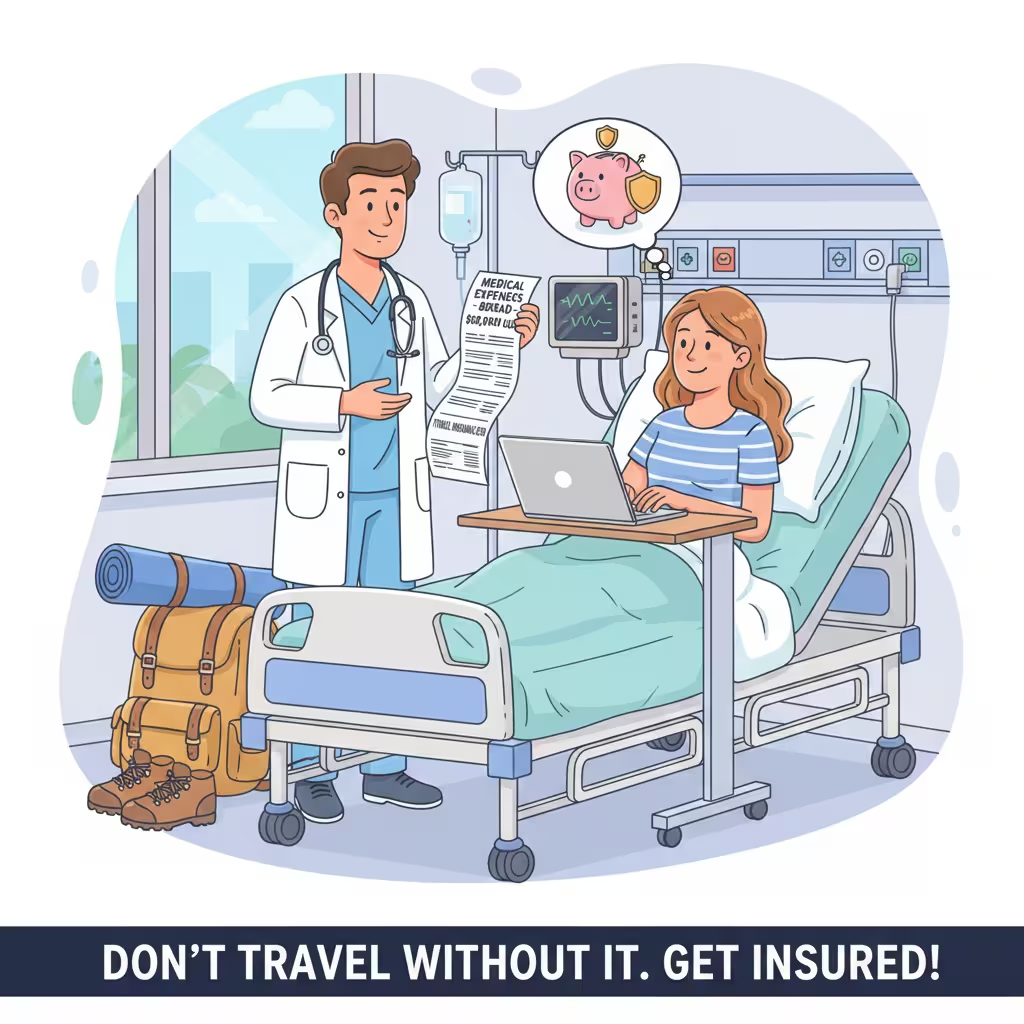
A friend of mine got appendicitis in Chiang Mai.
Not a dramatic story, honestly — appendicitis happens. The dramatic part was that he’d been freelancing remotely for eight months, bouncing between Thailand and Vietnam, and his travel insurance had expired after 90 days. He’d kept meaning to sort out new coverage. He hadn’t.
The surgery was fine. The bill was $6,200. Out of pocket, because nothing he had covered it.
He told me later he’d been paying $8 a month for a gym membership he hadn’t used in two years and couldn’t find the time to spend $40 on insurance that would have covered everything.
That’s the digital nomad travel insurance story in a nutshell. Not that it’s complicated. Just that people keep putting it off until something happens.

Why Regular Travel Insurance Doesn’t Work for Nomads
Most travel insurance is built around a single trip. You leave on a date. You come back on a date. The policy covers what happens in between.
That’s not how nomad life works.
You might be in Lisbon for six weeks, then Tbilisi for two months, then Bali indefinitely. You don’t have a return date. You’re not on vacation — you’re working. Your laptop is your office. Your gear matters. Your healthcare isn’t just about emergencies; sometimes you actually need to see a doctor for something routine.
Standard travel insurance fails nomads in three specific ways.
First, most policies cap out at 90 or 180 days. If you’re living abroad for a year or more, you’ll either be uninsured or constantly scrambling to restart coverage every few months.
Second, regular travel insurance doesn’t cover your equipment. A $2,500 laptop has a $500 per-item payout limit under most baggage clauses. That gap hurts.
Third, there’s no routine care. No physicals. No prescriptions for chronic conditions. No mental health coverage. Just emergency-only protection, which is fine for a two-week beach trip and completely inadequate for someone living abroad long-term.
Digital nomad travel insurance — or international health insurance, depending on what you need — is built for a different reality.
Two Types of Coverage, and Which One You Actually Need
Before you buy anything, you need to know which type of coverage fits your life.
Travel Medical Insurance covers emergencies. Hospitalization, medical evacuation, trip interruptions, lost bags. It doesn’t cover check-ups, routine prescriptions, or long-term condition management. Plans like SafetyWing Essential and World Nomads fall here. They’re affordable and flexible, but they’re emergency nets — not full health coverage.
International Health Insurance (IPMI) works like a real health plan. It covers routine care, preventative visits, sometimes dental and mental health. Plans like Cigna Global and Genki Native fall here. They cost more — often $100 to $300 per month or higher — but they function as your actual primary healthcare while you’re abroad.
Which one do you need?
If you’re young, healthy, and mostly worried about a hospital bill or medical evacuation in a country with expensive care, travel medical is probably enough. If you’re abroad for more than a year, managing a chronic condition, or just want real healthcare access, you need IPMI.
Most nomads I know start with travel medical when they first go remote. A few years in, they switch to IPMI when they realize emergency-only coverage feels thin for a lifestyle that’s no longer temporary.

SafetyWing: The One Everyone Talks About First
SafetyWing’s Nomad Insurance is probably the most recommended plan in every digital nomad Facebook group, Reddit thread, and Slack channel. There’s a reason for that. And there are also reasons to look past it.
The price is genuinely low. Under 39, you’re looking at $45 to $62 per four weeks. That’s monthly coverage for less than most people spend on a streaming service they’ve forgotten about.
It runs like a subscription. You sign up, it renews automatically. You can start it while you’re already abroad — which a lot of travel policies won’t let you do. It covers a home country visit (up to 30 days every 90 days for U.S. citizens), which matters if you fly back for the holidays or a family thing.
But the limitations are real and worth knowing before you buy.
No pre-existing conditions. None. If you have a history of anything — diabetes, asthma, a bad back that occasionally acts up — SafetyWing won’t cover anything tied to it. There’s no waiver option, no work-around.
The medical maximum is $250,000. That sounds like enough until you look at what medical evacuation from a remote part of Southeast Asia or South America actually runs. It can hit six figures just for the transport.
And the adventure sports coverage is thin. Skiing, scuba, motorcycles — mostly excluded or severely limited. If that’s part of your travel life, SafetyWing’s basic plan isn’t built for you.
The electronics add-on exists and is worth knowing about — it bumps coverage for gear theft and damage, which is the main gap for remote workers carrying a laptop and camera setup worth $3,000 or more.

World Nomads: The Adventure Pick
World Nomads has been around long enough that it’s basically become shorthand for travel insurance that covers the stuff other plans don’t.
They cover over 200 sports and activities. Surfing, skiing, scuba, mountaineering, bungee jumping — most of what gets excluded from standard policies is covered here, especially on the Explorer plan. National Geographic and Lonely Planet have pointed people toward them for years, and for good reason.
A few things worth knowing though.
World Nomads is not a primary health insurance plan. It’s emergency and travel-mishap coverage. Don’t buy it thinking you’re getting routine care.
Motorcycle and scooter accidents — which are extremely common in Southeast Asia and Central America — are only covered if you have a valid international driver’s license. If you’re riding around Bali on a rented scooter with just an American license, you might not have coverage for an accident. This catches people off guard.
There are also age restrictions, and costs go up meaningfully past 50.
The mid-trip extension feature is genuinely useful. If your plans change — and they always do — you can extend coverage while you’re already traveling, without going home first.
For nomads who do a lot of outdoor activities and want solid emergency coverage with some adventure built in, World Nomads is a strong pick. It’s not the cheapest. But the coverage on the Explorer plan is hard to beat for active travelers.

SafetyWing vs World Nomads: The Real Comparison
People ask this constantly. The honest answer: they’re built for different people.
SafetyWing wins on price, flexibility, and ease. It’s subscription-based, affordable, and works well for nomads who live relatively low-risk lives abroad — coworking, coffee shops, occasional beach weekends. Young, healthy, not doing anything extreme.
World Nomads wins on adventure coverage, sports, and the breadth of what’s actually covered when something goes wrong. The price is higher, but the coverage is genuinely broader for people who are active.
The real difference nobody talks about: SafetyWing is renewable forever with no fixed end date. World Nomads has trip length limits and is structured around a trip rather than a lifestyle. For someone who’s been nomadic for three years with no return date, SafetyWing’s model fits better even if World Nomads’ coverage is technically stronger.
If I had to pick one rule: choose World Nomads if you do adventure activities or are planning trips with real physical risk. Choose SafetyWing if you want cheap, reliable emergency coverage for day-to-day remote life and you’re not regularly doing anything that gets most people killed.
Genki: The One Worth Knowing About
Genki is European-based and relatively new, but it’s built a real following among nomads who want health-focused coverage at a reasonable price.
The monthly subscription model works well. No deductible for inpatient stays, which is a genuinely nice feature when you’re comparing plans. Covers a solid range of sports — surfing, skiing, hiking, scuba — without charging extra.
The catch is what it doesn’t cover: no trip cancellation, no lost luggage, no theft coverage. Genki is a health plan, not a travel plan. If your bag gets stolen at a hostel or your flight gets canceled and you lose $800, Genki doesn’t help with any of that.
The “Traveler” plan also excludes mental health and maternity. For a long-term nomad who might be abroad for years, that mental health gap is worth thinking about.
Genki Native — their full IPMI product — adds routine and preventative care and is better suited to someone who’s made remote living genuinely permanent.
For nomads who want to keep their health covered without paying for travel logistics coverage they don’t think they’ll use, Genki sits in an interesting spot.
Atlas Travel: The One Nobody Mentions Enough
Atlas Travel (through WorldTrips) doesn’t get talked about as much as SafetyWing or World Nomads, and I genuinely don’t know why. It’s one of the most flexible options out there.
You pick your deductible — anywhere from $0 to $5,000. That range matters because a high-deductible plan cuts the premium significantly, and if you’re young and healthy, paying out of pocket for a small clinic visit while keeping a low premium for catastrophic coverage is actually smart.
The “Acute Onset of Pre-Existing Condition” benefit covers sudden flare-ups of known conditions, as long as you’re under 70. That’s a meaningful carve-out that SafetyWing doesn’t offer at all. It won’t cover ongoing management of your condition, but if your asthma suddenly gets severe enough to need an ER visit, it steps in.
There’s also a “Border Entry Protection” feature for international visitors to the U.S. — less relevant for Americans but worth knowing if you travel with a non-U.S. partner.
One note: coverage limits drop hard past 80. If you’re older, check the age-banded limits carefully before buying.

What About Gear? Your Laptop Is Not a Bag
This is the thing that trips up almost every remote worker who buys travel insurance without reading the fine print.
Standard baggage coverage treats your $2,500 MacBook the same as your dirty laundry — up to $500 per item, full stop. Some plans go up to $1,000. None of that is enough to replace what a remote worker typically carries.
A mid-range nomad setup — laptop, external hard drive, noise-canceling headphones, maybe a mirrorless camera — can easily run $4,000 to $6,000. Standard insurance covers maybe $1,500 of that if you’re lucky.
The fix is a specialized electronics rider or a policy built for it.
World Nomads covers equipment better than most. Heymondo offers an equipment rider. SafetyWing has an electronics add-on worth looking at. Insured Nomads is worth checking if your gear is high-value — they’re specifically built around the remote worker profile.
If your laptop gets stolen, you’re not just dealing with the financial loss. You’re dealing with the loss of your ability to work. For most nomads, that gear is the most important thing to insure after your body.

Adventure Activities: Know What Your Plan Covers Before You Book
This section exists because people get hurt doing things they didn’t check.
Most standard policies — including SafetyWing’s basic plan — exclude “high-risk” activities. That list often includes: skiing and snowboarding, scuba diving past recreational depths, motorcycles and scooters, rock climbing, white-water rafting, and anything a policy writer decided sounded dangerous.
World Nomads covers over 200 activities. That’s the headline number. The Explorer plan covers even more extreme stuff. If you’re going to be skiing in Japan, surfing in Bali, or doing multi-day trekking in Nepal, World Nomads is the insurance category you’re shopping in.
Genki covers a good range of sports but excludes professional athletes and genuinely extreme acts like BASE jumping and wingsuit flying. Most nomads don’t need to worry about that last part.
The motorcycle rule is the one worth repeating loudly. If you’re riding any motorized two-wheeler abroad — which is extremely common in Southeast Asia, Central America, and Southern Europe — check your policy’s exact language. Most require a valid international license for any scooter or motorcycle coverage to apply. No license, no coverage. Period.

Digital Nomad Visas: Insurance Is Now a Legal Requirement
This is newer and a lot of people don’t know it yet.
Over 50 countries now offer some version of a digital nomad visa. Croatia, Portugal, Spain, Costa Rica, Barbados, Thailand — the list keeps growing. And many of them require proof of health insurance as part of the application.
The EU Schengen area typically requires a minimum of €30,000 in health coverage for the duration of your stay. Some countries go higher. Some specify that it must be primary coverage, not supplemental.
SafetyWing is ahead of this. They offer downloadable visa letters specifically formatted to satisfy these government requirements. That’s a real practical advantage when you’re applying for a visa with a three-week deadline.
Before you assume your current plan qualifies, check the specific country’s requirements. Some plans that are fine for personal coverage don’t meet the minimum limits for a visa application.
What Actually Gets Excluded No Matter What Plan You Buy
Some things are off the table across basically every nomad insurance plan. Worth knowing before you file a claim and get surprised.
Pre-existing conditions are excluded on almost everything in the travel medical category. There’s no way around it. Some plans cover “acute onset” — a sudden severe episode of something you already have — but that’s different from ongoing management or treatment.
Getting injured while drunk. Universally excluded. No plan will cover injuries where intoxication is a factor.
Predictable events. If a hurricane is already on the forecast and you fly into its path anyway, that’s not covered. Same with known outbreaks or situations the government had already issued warnings about.
Reckless acts. The policy wording varies but most plans specifically call out things like “train surfing,” “bull riding,” and similar acts that a reasonable person would define as unnecessary risk.
Motorcycle accidents without the right license. Covered this above but it deserves a second mention because it keeps catching people.

What Real Coverage Costs for a Remote Worker
Budget end: SafetyWing Nomad Insurance runs $45 to $62 per four weeks under age 39. Atlas Travel basic plans start around $50 to $80 per month depending on age and deductible choice. These are emergency-only plans but they’re real coverage for a real price.
Mid-range: World Nomads Standard plan varies by age and country but typically runs $80 to $150 per month for a U.S. nomad in their 30s. Explorer plan is higher.
Full health coverage: Genki Traveler runs roughly $80 to $120 per month for younger nomads. Genki Native — their full IPMI product — costs more but functions as actual primary health insurance. Cigna Global starts around $150 per month and goes up based on age and options.
The honest take: you can get solid emergency coverage for $40 to $60 a month. Full health coverage with routine care costs $100 to $300 or more. Where you land depends on how long you’re going and what you actually need from a health plan.
How to Actually Pick the Right Plan
Ask yourself these four questions before you open a single quote page.
How long am I going? Under six months, travel medical is fine. Over a year, seriously consider IPMI.
Do I have pre-existing conditions that need active management? If yes, you need IPMI — travel medical won’t touch ongoing care.
What activities am I doing? If you’re skiing, surfing, riding motorcycles, or doing anything with real physical risk, check adventure coverage specifically. Don’t assume.
How much gear am I carrying? Add up the replacement cost of your actual work setup. If it’s over $2,000, you need a policy with a real electronics rider, not just standard baggage limits.
One more practical thing: compare real quotes on platforms like Insure My Trip or directly through provider sites before you buy. The same coverage level can vary by $30 to $50 a month between providers — sometimes more. That adds up over a year.
Frequently Asked Questions – FAQ’s
- What is digital nomad travel insurance?
Digital nomad travel insurance is specialized coverage designed for remote workers living abroad, covering emergencies, medical care, and sometimes gear protection. - Why do digital nomads need travel insurance?
It provides essential protection for medical emergencies, lost or stolen gear, and unexpected travel disruptions, ensuring peace of mind while working remotely. - What’s the difference between travel medical insurance and international health insurance?
Travel medical insurance covers emergencies like hospitalization and evacuation, while international health insurance includes routine care, prescriptions, and chronic condition management. - Does digital nomad travel insurance cover pre-existing conditions?
Most plans exclude pre-existing conditions, but some offer limited coverage for acute onset or waivers if purchased early. - Which is the best travel insurance for digital nomads?
Popular options include SafetyWing for affordability, World Nomads for adventure coverage, and Genki for health-focused plans. - Does digital nomad travel insurance cover electronics like laptops?
Standard plans often have low limits for electronics, but add-ons or specialized policies can provide better coverage for high-value gear. - Can I buy travel insurance after leaving my home country?
Yes, some providers like SafetyWing allow you to purchase coverage even after you’ve started traveling. - What activities are covered under digital nomad travel insurance?
Coverage varies, but plans like World Nomads include adventure sports, while others may exclude high-risk activities like scuba diving or skiing. - Is travel insurance required for digital nomad visas?
Many countries require proof of health insurance with specific coverage limits for digital nomad visa applications. - How much does digital nomad travel insurance cost?
Costs range from $40 to $300 per month, depending on the coverage type, age, and additional benefits like routine care or gear protection.
The Bottom Line
My friend in Chiang Mai paid $6,200 out of pocket for a surgery that a $40/month plan would have covered entirely. He still talks about it. Not with anger — more like the specific regret of someone who knew better and just didn’t act.
Digital nomad travel insurance isn’t a complicated topic. There’s no perfect plan. SafetyWing is cheap and flexible and has real gaps. World Nomads covers adventure but costs more. Genki is health-first and skips travel logistics. Atlas Travel is flexible and underrated.
The right plan is the one that matches how you actually live — not the one you bought because someone in a Facebook group said it was the best.
Buy something. Buy it before you land. Read what it doesn’t cover.
Then go work from wherever you want.
Disclaimer: Plan details, pricing, and eligibility rules change frequently. Always verify current terms directly with the provider before purchasing. This article is for general informational purposes and does not constitute insurance advice.