
I didn’t buy travel insurance the first time I went to Europe.
I was 26. I had $400 in savings and an attitude about it. Insurance was for nervous people, I thought. People who weren’t going to be fine. I was going to be fine.
I was fine, as it turned out. But the couple I met in the airport lounge in Amsterdam — the ones whose connecting flight got canceled, whose luggage ended up in Dublin, who had a $3,200 out-of-pocket emergency room visit because the husband had an allergic reaction — they were not fine. And they did not have travel insurance either.
That’s the trip that changed how I think about this stuff.
So if you’re reading this because you’ve always kind of wondered what travel insurance actually does, whether you actually need it, or whether the coverage on your credit card is good enough — good. You’re asking the right questions. Let me actually answer them.
What Is Travel Insurance and What Does It Even Cover
Okay let’s start from the beginning because I think most people have a fuzzy idea of what trip insurance covers and a real idea would help.
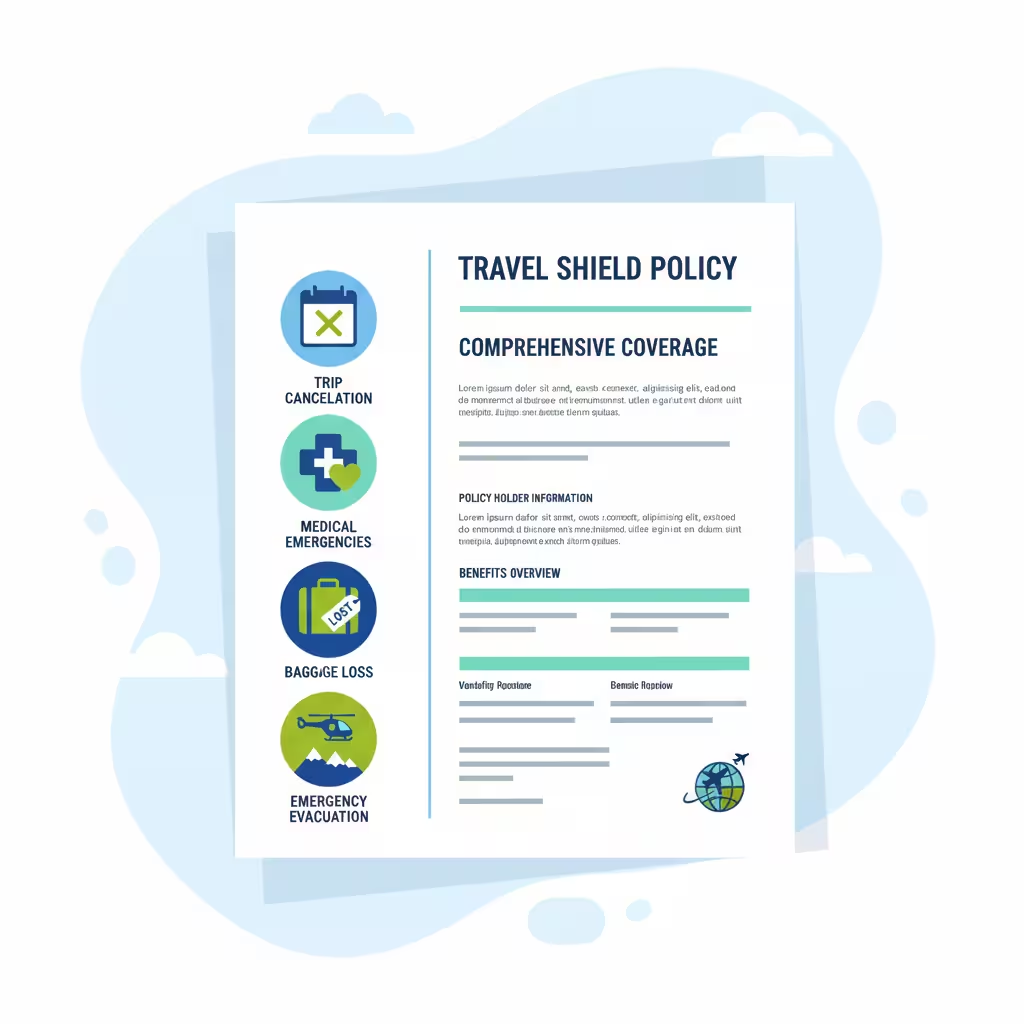
Travel insurance is basically a package of protections you buy before a trip. Sometimes it’s one thing. Often it’s several things bundled together. The main categories are:
Trip cancellation. You paid for a $4,000 vacation. You get sick before you leave. Without insurance, you lose that money. With trip cancellation coverage, you get reimbursed — usually for reasons like illness, injury, death of a family member, jury duty, stuff like that.
Trip interruption. Same idea but you’re already on the trip when something goes wrong. You need to fly home early. This covers the cost of coming back early and sometimes reimburses the unused portion of the trip.
Emergency medical coverage. This is the big one and honestly the one I care about most. If you get hurt or sick abroad, your regular US health insurance often does almost nothing. Some plans have zero international coverage. Emergency medical through your travel protection plan pays for hospital bills, doctor visits, medications, the whole thing.
Emergency medical evacuation. Different from medical coverage. This is for when you need to be physically moved — airlifted off a mountain, transported to a hospital in a different city, flown home for treatment. These costs can hit $100,000 or more without insurance. Yeah. Six figures. For a helicopter and a plane.
Baggage loss and delay. If the airline loses your luggage permanently or it shows up four days late, this covers replacements. Usually subject to per-item limits.
Travel delay. Flight canceled. You’re stuck overnight. This covers the hotel and meals while you wait.
24/7 assistance. Most good plans include a phone number you can call from anywhere in the world when everything is going sideways. Real humans. Not a chatbot.
That’s the core stuff. Now — not every plan has all of these. Cheaper plans often skip the medical evacuation or cap it low. That’s one of the first things to check.

Do You Actually Need Travel Insurance for a Domestic Trip
Short answer: maybe. Longer answer: it depends on what you’re worried about.
For a quick domestic weekend trip where you didn’t pay much upfront and you’re staying somewhere refundable — honestly, probably not. The math doesn’t support it.
But for a domestic trip where you’ve paid significant non-refundable deposits — say, a big ski trip, a multi-cabin family reunion rental, a prepaid resort situation — trip cancellation coverage starts making sense. Because if you get sick three days before and you’re out $2,500 in non-refundable deposits, you’re going to wish you had it.
The medical part of travel insurance matters less domestically because your regular health insurance works at home. But the cancellation and interruption parts? Those are relevant anywhere.
Also — cruises. If you’re doing a domestic cruise out of a US port, cruise-specific coverage is worth it because trip interruptions on a cruise are their own special kind of expensive and complicated.
What Does Travel Insurance Actually Cost
The general rule of thumb is 4% to 10% of your total trip cost.
A $3,000 trip might cost you $120 to $300 for a solid plan. A $10,000 trip — figure $400 to $1,000 depending on coverage levels and your age.
Age is a big pricing factor. A 35-year-old and a 68-year-old can pay very different prices for the same plan because the insurer sees very different risk profiles.
Destination matters too. Travel insurance for a trip to Canada looks different price-wise than a trip to a country with limited medical infrastructure where evacuation is more likely to be needed.
The average order value for travel insurance in 2025 was around $177.63 — and that number went up almost 10% year over year. So prices are creeping up. Not shocking given veterinary — wait, sorry, vet costs are pet insurance — given medical care costs going up globally. Everything is more expensive to replace and treat. The insurance math follows.

Is Credit Card Travel Insurance Enough
I get asked this constantly. And my honest answer is: sometimes yes, often no, and it really depends on what card you have and what trip you’re taking.
Premium travel credit cards — your Chase Sapphire Reserve, your Amex Platinum, your Citi Prestige — do include real travel protection. Trip cancellation, trip interruption, baggage delay, sometimes primary rental car coverage. These are legitimate benefits.
But here’s the gap. Most credit card travel insurance does not include emergency medical coverage. Or if it does, it’s limited — like $2,500 worth of medical when a hospital visit abroad can run $10,000 to $30,000 easily.
And medical evacuation? Almost never covered by credit cards.
So for a domestic trip or a quick trip to Canada where your US health insurance works — credit card coverage might genuinely be enough. For international travel to anywhere that your US health plan doesn’t cover, or anywhere with high medical costs, or anywhere remote where evacuation is a real possibility — you want a standalone travel medical insurance plan, not just whatever’s bundled with your card.
Read your credit card benefits guide. Like, actually read it. The limitations are in there and most people never look.

When Should You Buy Travel Insurance
The sooner after you book, the better. That’s my answer and I’m keeping it.
Here’s why. Most trip cancellation coverage requires you to buy the policy within a certain window of your initial trip deposit — usually 14 to 21 days — to qualify for certain benefits. Specifically the pre-existing condition waiver.
The pre-existing condition waiver is a big deal. Without it, any medical condition you had before buying the policy could be excluded from claims. With it — if you buy early enough and meet the requirements — even pre-existing conditions can be covered if something related to them causes a claim.
So if you or anyone on your trip has any existing health stuff and you want full protection, buying within two to three weeks of your first trip payment is important. Don’t wait until a week before you leave.
Also — CFAR. Cancel For Any Reason coverage. If you want this, you almost always have to add it within that same early window. CFAR lets you cancel for literally any reason — changed your mind, nervous about something, work stuff came up — and get back usually 50% to 75% of your trip cost. It’s more expensive than standard coverage but it’s the only true flexible option.
The Providers Actually Worth Knowing About in 2026
Let me just run through the ones that keep coming up and what they’re actually good for.
Trawick International is the one I’d point most people toward first. Solid overall coverage. Budget-friendly. Straightforward policies without a bunch of confusing fine print. Good for people who want reliable standard coverage without overthinking it.
World Nomads is the name I hear most from people who do adventure stuff. They cover 150 to 250+ activities — scuba, mountaineering, backcountry skiing, stuff that most regular travel insurance excludes by default. They also let you buy or extend coverage while you’re already traveling, which is unusual. For people who wing it on itinerary changes, that flexibility matters.
Allianz Global Assistance is the one I’d pick for business travel or last-minute trips. They have annual multi-trip plans that cover business equipment and rental cars. They also let you buy coverage on the day of departure — most companies cut you off before that. And their SmartBenefits system can proactively pay you for delays without you filing a receipt-based claim. It just triggers automatically based on flight data.
Global Rescue is different from everyone else on this list. They don’t just cover hospital-to-hospital transport. They do literal field rescues — they’ll extract you from a remote location, a mountain, a jungle, whatever, and get you to a medical facility. And they let you choose which hospital, not just the nearest one. For people doing off-grid travel or anything genuinely remote, this is a different category of protection entirely.
SafetyWing is specifically built for digital nomads. Monthly subscription model starting around $56 a month. Visa compliance letters. Built for people who aren’t taking a two-week vacation but are living abroad for months at a time on a nomad visa. Different product from regular trip insurance.
Travel Guard (AIG) has an A+ rating and their support model is the most human-forward of the bunch. Actual people answering the phone 24/7. They also have specialty add-ons — pet coverage if your dog gets sick during a trip, wedding cancellation coverage, inconvenience bundles — which sounds niche until it’s exactly what you needed and didn’t have.
HTH Travel Insurance is worth knowing if you’re an expat or a long-term student abroad. They have global plans with unlimited medical maximums on certain tiers. For someone spending six months or a year abroad rather than two weeks, HTH’s long-stay structure fits better than a standard vacation plan.

The Digital Nomad Insurance Situation
Let me spend a minute on this because it’s grown from a weird niche thing into a significant part of the market.
There are over 35 million digital nomads worldwide right now. And the visa rules have gotten much more specific about what kind of insurance qualifies.
Spain is the strictest example I know. Their Digital Nomad Visa requires coverage of at least €30,000 — and it has to be “Sin Copago,” which means zero co-pays and zero deductibles. Not just any travel insurance qualifies. It has to meet that specific standard.
Portugal’s D8 visa is similar. Greece. Italy. Most of the European nomad visa programs now require coverage that functions more like a primary health plan than emergency-only travel insurance.
And there’s a checklist of things the policy needs to include:
- Repatriation of remains (sounds grim, required by almost every nomad visa)
- Minimum medical coverage amount (usually €30,000 or more)
- Hospitalization and routine care, not just emergency stabilization
- A visa compliance letter from the insurer stating what’s covered
SafetyWing handles most of this with their Nomad Health product. They issue the visa letters directly. If you’re trying to navigate residency abroad and need compliant coverage, they’re the most purpose-built option on the market right now.

Primary vs Secondary Coverage — A Thing People Don’t Understand
Okay this one trips people up and I want to explain it clearly.
Primary coverage means your travel insurance pays first. You don’t have to go through your regular health insurance first and get a denial before travel insurance will act.
Secondary coverage means travel insurance only kicks in after your other insurance has paid what it’s going to pay. You go through your health plan first, they cover what they cover, and travel insurance covers the remainder up to your policy limits.
For most domestic situations where your regular health insurance works fine, secondary coverage is okay. For international situations where your US health insurance does nothing — secondary coverage becomes meaningless. If your primary insurer pays $0, secondary coverage still just covers the remainder. So $0 + secondary = same as having primary.
If you’re traveling internationally, look for primary coverage on your emergency medical benefits. It’s not always available on every plan but it’s worth seeking out, especially for destinations where your regular US health insurance has no reach.
The 2026 Things That Changed — Tariffs and What They Mean for Your Claim
This one surprised me when I first read about it and I think most travelers don’t know it’s happening.
The 2025 tariff changes in the US materially increased the replacement cost of certain things that show up in travel insurance claims. Medical devices. Electronics. Cameras. Laptops. Specialized equipment.
What that means in practical terms: if you file a claim for stolen or lost electronics in 2026, the per-item limits in your policy might not cover the actual cost of a replacement in today’s market. Because those limits were set before tariff-driven price inflation hit the replacement cost of these goods.
Before you travel with expensive gear — cameras, laptops, a fancy watch, professional equipment — check your policy’s per-item limits. And if you carry professional gear specifically, some plans have add-ons or riders for business equipment that Allianz in particular does well.
Also worth knowing: the medical attachment rate trend. In 2025, the percentage of travelers buying medical coverage as part of their plan jumped from 73.5% to 80.8%. That’s almost 81% of insured travelers now treating health coverage as non-negotiable, not optional. The market is moving toward health-first coverage fast. The people buying trip insurance just for the cancellation piece and skipping the medical part are now a shrinking minority — and for good reason.

The “What Does Travel Insurance Actually Cover” Checklist
Let me just give you this in plain language because I think it’s useful.
Usually covered:
- Trip cancellation for covered reasons (illness, death, jury duty)
- Trip interruption
- Emergency medical expenses abroad
- Emergency medical evacuation
- Baggage loss and delay
- Travel delay expenses (hotel, meals)
- 24/7 emergency assistance
Often NOT covered (read your policy):
- Pre-existing conditions — unless you bought early enough to qualify for the waiver
- Adventure sports — unless you have a plan like World Nomads that specifically includes them
- Pandemics — COVID coverage varies widely by plan
- Cancel for any reason — only covered if you added CFAR specifically
- Alcohol-related incidents — most policies exclude claims where intoxication was a factor
- War zones and certain high-risk destinations
- Elective procedures and cosmetic stuff
The credit card gap:
- Emergency medical evacuation — almost never on credit cards
- Medical expenses abroad — limited or absent on most cards
- Pre-existing conditions — credit card benefits rarely waive these
The Sweet Spot Bundle That’s Growing Fast
One trend worth knowing about heading into 2026.
People are getting smarter about what they actually buy. The “one giant comprehensive policy with everything” purchase is declining. What’s growing fast — like 369% growth fast — is a specific combination: travel medical plus trip interruption plus trip delay plus baggage protection.
That quartet. Those four things together. Travelers are figuring out that this combo covers the most common ways trips go financially sideways without paying for stuff they don’t need. It’s the modular approach to trip insurance and it’s catching on fast.
If you’re building a policy from scratch and you’re not sure what to include, start with those four and add from there if something specific applies to your trip — adventure sports coverage, CFAR, rental car, whatever.
Frequently Asked Questions – FAQ’s
- What does travel insurance cover?
Travel insurance typically covers trip cancellations, interruptions, medical emergencies, baggage loss, and travel delays. Some plans also include emergency evacuation and 24/7 assistance. - How much does travel insurance cost?
Travel insurance usually costs 4-10% of your total trip cost. Factors like age, destination, and trip length can influence the price. - Is travel insurance worth it?
Yes, especially for international trips or expensive vacations. It protects against unforeseen expenses like medical emergencies or trip cancellations. - When should I buy travel insurance?
Purchase it soon after booking your trip, ideally within 14-21 days, to qualify for benefits like pre-existing condition waivers. - Does travel insurance cover COVID-19?
Coverage for COVID-19 varies by policy. Some include medical treatment for COVID-19, but cancellations due to fear of travel are often excluded. - What is Cancel For Any Reason (CFAR) coverage?
CFAR allows you to cancel your trip for any reason and get partial reimbursement (50-75%). It must be added shortly after booking. - Does my credit card provide enough travel insurance?
Premium credit cards may offer basic coverage, but they often lack emergency medical and evacuation benefits. - Do I need travel insurance for domestic trips?
It depends. For refundable bookings, it may not be necessary. However, for expensive, non-refundable trips, it’s worth considering. - What’s the difference between primary and secondary coverage?
Primary coverage pays directly without involving other insurance. Secondary coverage only pays after your primary insurance. - Does travel insurance cover adventure activities?
Standard policies often exclude high-risk activities like skiing or scuba diving. Look for plans that specifically include adventure sports.
Bottom Line
Here’s what I actually believe about travel insurance after years of following this stuff.
For domestic trips: you probably need less than you think. For international trips: you probably need more than you think. For adventure or remote travel: you need Global Rescue or something like it, not just a standard plan.
The medical evacuation piece is the one that scares me most. A $100,000+ evacuation cost. On top of a hospital bill. With no insurance. That’s a life-altering financial event. And it costs maybe $50 to $100 in premium to cover it. That math is obvious.
Buy it early. Check the pre-existing condition waiver window. Make sure the medical coverage is primary if you’re going anywhere your US health plan doesn’t reach. Read the per-item limits on your electronics before you travel with anything expensive.
And if you’re a digital nomad or planning a long stint abroad — stop trying to make regular vacation insurance work. Get SafetyWing or HTH and get a policy that was actually designed for your situation.
The global travel insurance market is going to hit $31.25 billion in 2026 and nearly $54 billion by 2032. It’s not growing because people are scared. It’s growing because people are figuring out that the cost of not having it is so much higher than the cost of having it.
One bad trip without coverage is usually enough to change the math permanently.
Don’t wait for that trip.
Disclaimer: This article is for informational purposes only and does not constitute insurance, financial, or legal advice. Coverage terms and availability vary by provider, plan, and state. Always review your full policy documents before purchasing.