
Last Updated: May 2026

Nobody thinks it’s going to be them.
That’s not me being poetic. That’s genuinely how it goes. I’ve had this conversation dozens of times — with coworkers, with family members, with people I’ve helped navigate insurance paperwork — and the pattern is always the same. Smart people. Employed people. People with 401(k)s and car payments and a general plan for their lives. And almost none of them have disability coverage, because almost none of them picture disability as something that happens to people like them.
They picture something specific when they hear the word. A fall from scaffolding. A bad car crash. Some kind of sudden, violent event that clearly and obviously ends your ability to work. The kind of thing that happens to other people — people in dangerous jobs, people who weren’t careful enough.
These causes shape everything about how disability coverage should be structured. Our 2026 disability insurance guide walks through the policy mechanics that determine whether claims from these conditions actually get paid.
Here’s what they don’t picture: a back that slowly gives out over ten years of desk work until one morning you genuinely cannot sit upright long enough to finish a meeting. A cancer diagnosis at 44 during a routine screening. A depressive episode that gets bad enough, finally, that showing up isn’t possible anymore.
Those aren’t dramatic stories. But they’re the ones that are actually driving the causes of disability claims across the country. And they’re happening to people in ordinary jobs, living ordinary lives, who had no idea they were at risk.
The Number That Should Make Everyone Uncomfortable
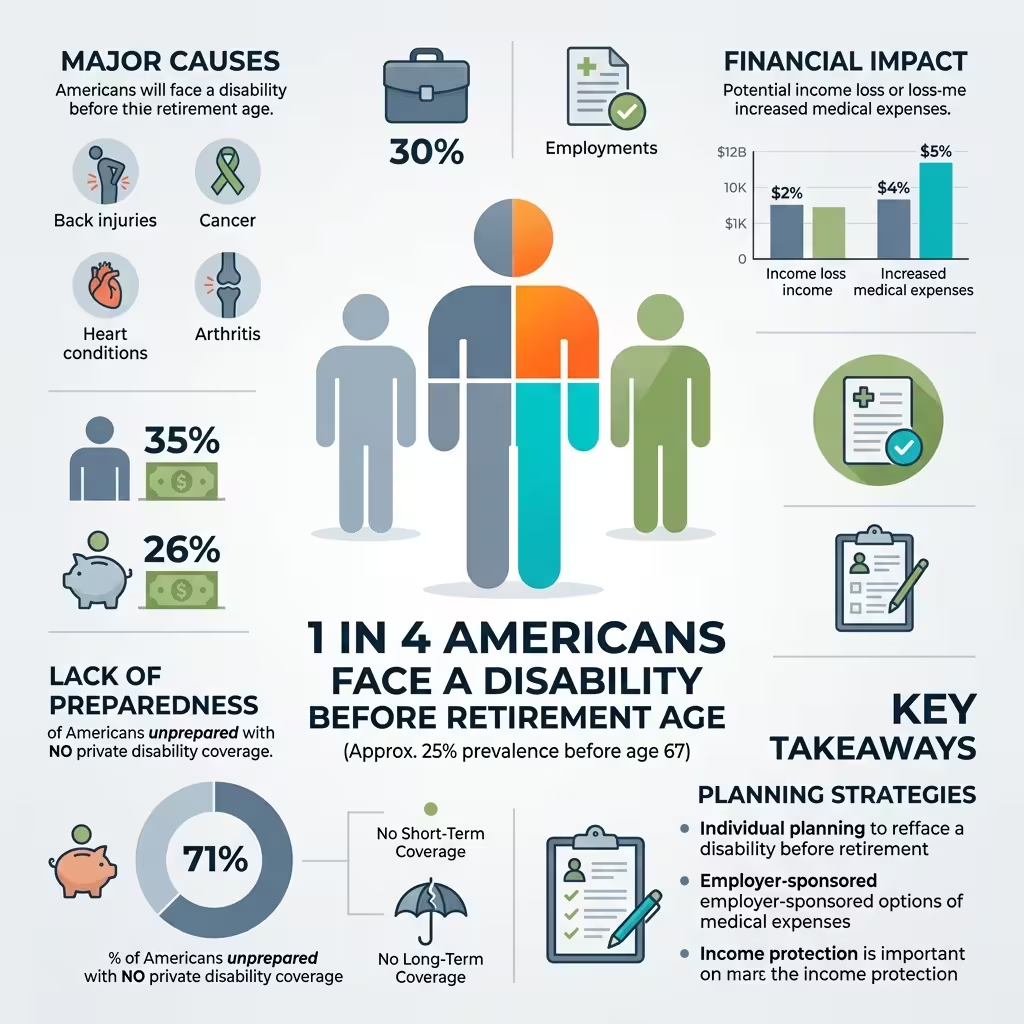
One in four.
That’s the Social Security Administration’s estimate for how likely a 20-year-old is to become disabled before they reach retirement age. Not one in a hundred. Not a remote, edge-case probability. One in four working Americans will face a disability serious enough to interfere with their ability to earn.
And yet more than 80 percent of Americans have no private disability coverage.
Those two facts don’t go together. They really don’t. But that gap — between the actual risk and how prepared most people are — explains why disability is such a consistent financial catastrophe for so many families. When something happens and there’s no coverage, people fall back on Social Security Disability Insurance. SSDI pays an average of around $1,234 a month. It takes anywhere from six months to over a year to approve. It gets denied on the first application most of the time.
That’s what the safety net looks like for most working Americans. It’s not enough. Not even close.
So let’s talk about what’s actually causing the claims — because understanding that changes everything about how you think about your own exposure.

The Biggest One Isn’t What You’d Guess – Causes of Disability Claims
Musculoskeletal disorders. That’s the top of the long-term disability list, sitting at 27.6 percent of all LTD claims.
Back problems. Joint degeneration. Arthritis. Chronic pain that builds over years until it hits a threshold where working full days isn’t possible anymore. These aren’t dramatic injuries. They’re the slow accumulation of a body being used, decade after decade, in the same patterns.
I know someone — a guy I went to college with, project manager at a mid-size logistics company — who spent the better part of three years thinking his back pain was manageable. He’d take ibuprofen on bad days. He’d shift how he sat. He went to physical therapy twice and felt better both times. Then at 49, he had a disc herniation bad enough to require surgery, and the surgery helped, but it didn’t help enough. Couldn’t sit longer than an hour. Couldn’t travel for site visits. Couldn’t do the core functions of the job he’d had for eighteen years.
He had LTD coverage through work. He was lucky. He also had no idea what the elimination period on that policy was, had never looked at the replacement rate, and spent the first ninety days with zero income coming in while the clock ran out on his waiting period.
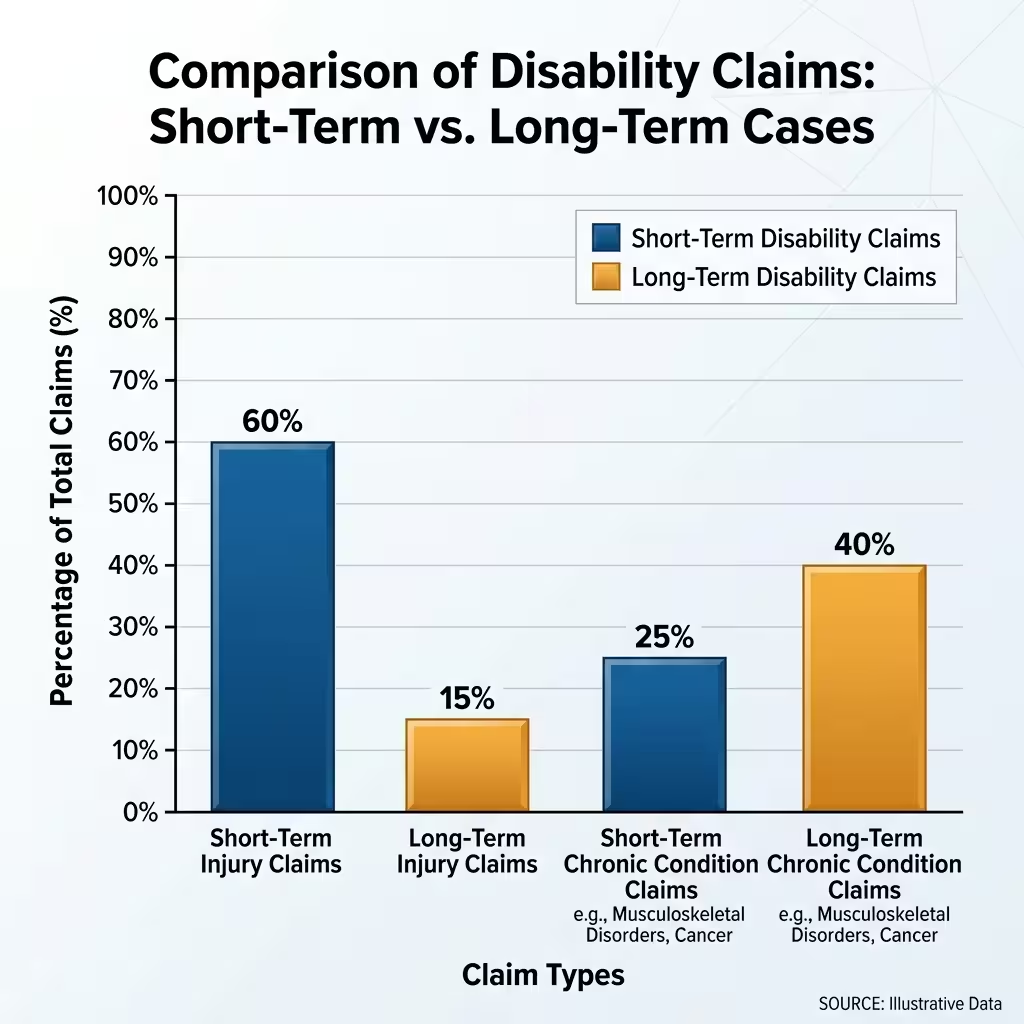
The back pain category doesn’t just show up on the long-term list. It’s on the short-term list too — fifth-most common cause of STD claims. That’s the tell. These conditions flare, calm down, flare worse. A lot of permanent disability situations started as a back injury someone expected to handle in six weeks.

Cancer Is Second. Sit With That for a Second.
Between 15 and 16 percent of long-term disability claims come from cancer. That makes it the second-leading driver of LTD in the country.
The thing people misunderstand about cancer and disability is that it’s not only about dying. It’s about surviving. Because surviving cancer — which millions of Americans do — often means months of treatment that make working impossible, followed by a recovery arc that takes longer than almost anyone expects.
Chemotherapy fatigue is not regular tiredness. This is worth saying plainly. It’s the kind of exhaustion where making a phone call feels like a physical effort. Where thinking clearly through a two-hour problem is genuinely beyond reach some days. People who’ve been through it describe it as a fog that doesn’t lift on weekends. A lot of people try to keep working through chemo and can’t. A lot of others don’t even try, because their doctors tell them to rest and mean it.
Then there’s the recovery after treatment ends. Some people bounce back faster than others. Some deal with lasting fatigue, cognitive effects — sometimes called chemo brain — nerve damage, and other side effects that stay long after the cancer itself is gone.
I’m thinking of someone specific right now. My former neighbor. Breast cancer at 46. Surgery, then chemo, then radiation. She went back to her accounting job about eight months after diagnosis. She told me she cried the first day back because she was so relieved. She also told me that without her husband’s income and their savings, they would have lost the house. She had no disability coverage. Her employer offered it. She’d been meaning to sign up and never got around to it.
Eight months. That’s how long the gap was. For someone without coverage, that gap is the whole ballgame.

Injuries Are Real — But They’re Not the Whole Story
Injuries sit at number three on the LTD list — somewhere between 9.8 and 12 percent of claims. On the short-term list, they’re second.
Yes, accidents matter. Falls, fractures, traumatic events — these still cause a significant number of disability claims and they’re real. If you work in construction, healthcare, manufacturing, or any job with physical hazards, injuries aren’t a footnote for you. They’re a daily reality.
But here’s the distinction that matters when you’re thinking about financial exposure: most injuries resolve. A broken arm heals. A torn ACL has a surgical fix and a recovery timeline. The person comes back to work.
Chronic conditions — the ones sitting above injuries on this list — are where people lose years of income, not weeks. The total financial damage from musculoskeletal degeneration or a cancer diagnosis is almost always larger than the damage from an injury, even a serious one, because of the duration.
That’s why injuries are more prominent on the short-term disability list than the long-term one. Short-term is where things that heal show up. Long-term is where things that don’t — or don’t fully — end up living.

Mental Health Is Number Four and the Number Is Almost Certainly Too Low
Between 9.3 and 9.8 percent of long-term disability claims involve mental health conditions. Primarily depression and anxiety.
That figure is probably undercounted. Mental health gets underreported on insurance claims for a bunch of reasons — stigma, misdiagnosis, people not wanting it in their file, conditions being coded as something adjacent rather than named directly. The real percentage is likely higher.
What disabling depression looks like in practice: not sadness, exactly, though that’s part of it. More like a heaviness that makes everything take three times as long. Concentration that drops out. Decision-making that becomes unreliable. Showing up consistently becomes hard, then harder, then impossible. The person doesn’t stop caring about their job. They lose the neurological capacity to do it.
Mental health conditions are among the fastest-growing claim categories — and also among the most contested by insurers. Our mental health disability insurance guide explains how to build a claim that survives scrutiny.
Severe anxiety can be just as limiting. Panic attacks that make phone calls impossible. Agoraphobia that develops over time until leaving the house for a commute becomes a daily crisis. Physical symptoms — chest tightness, nausea, elevated heart rate — that are documented and real even when the cardiologist finds nothing wrong.
If you work in a high-pressure environment — healthcare, law, finance, tech — and you’ve been white-knuckling through anxiety or depression while trying to perform, this category deserves more of your attention than it probably gets. It’s not a character issue. It’s a documented driver of long-term disability, and it belongs in any honest conversation about coverage.
Heart Attacks and Strokes Don’t Just Kill People. They Sideline Them.
Circulatory disorders — heart attacks, strokes, cardiovascular events — come in fifth at 8.2 to 9 percent of LTD claims.
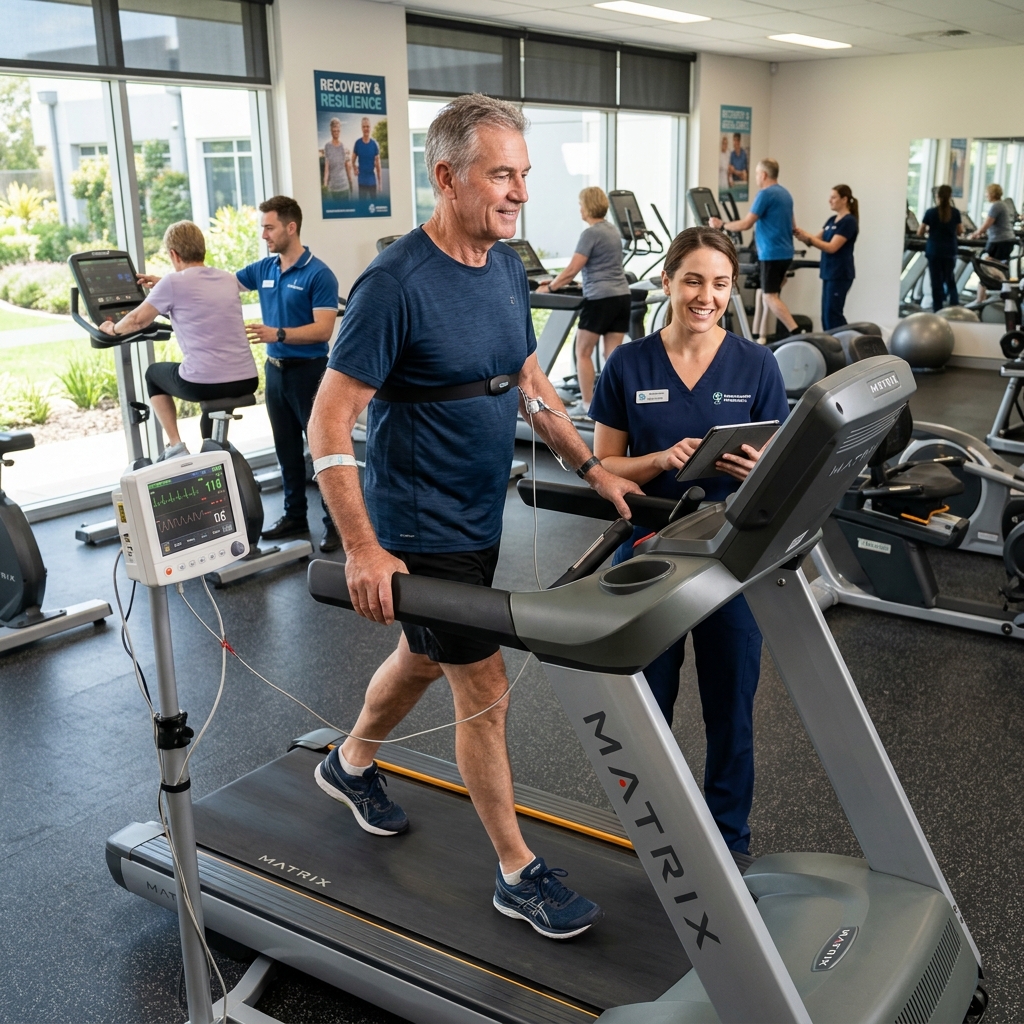
Surviving a heart attack is, obviously, the good outcome. But survival doesn’t mean back to normal in two weeks. Cardiac rehabilitation takes months. Medication management takes adjustment. The fatigue that follows a major cardiac event is real and persistent. For people in physically demanding jobs, returning to full capacity after a significant cardiac event can be permanently off the table.
Strokes are more variable. Some people recover most of their function. Others deal with lasting cognitive effects — problems with memory, language processing, executive function — that make the kind of work they used to do genuinely impossible. A stroke at 54 can end a career in ways that are invisible from the outside but completely disqualifying for the work.
What makes this category particularly financially devastating isn’t just how common it is. It’s how long the claims tend to run. This isn’t a short-term situation. For a lot of people, a serious stroke or cardiac event becomes a permanent disability claim — one that stretches for the rest of their working life.
Here’s the Thing Nobody Says Directly Enough
Most of these conditions don’t announce themselves. They build.
The back pain starts manageable. The cancer gets caught at a screening you almost skipped. The anxiety has been there for years, quietly making everything harder, until it isn’t quiet anymore. These aren’t freak events. They’re the normal progression of human bodies living human lives.
The SSA issued just under 595,000 disabled-worker awards in 2024. The average age at the time of award was 52. Not at the end of a career. Right in the middle of it. Peak earning years. Maximum financial obligations. The decade when retirement savings should be compounding, not being emptied to cover rent.
And the disability claim statistics for 2026 show no signs of those numbers shrinking. The most common disabilities in the US are chronic, medical, and distributed across every occupation and income level.
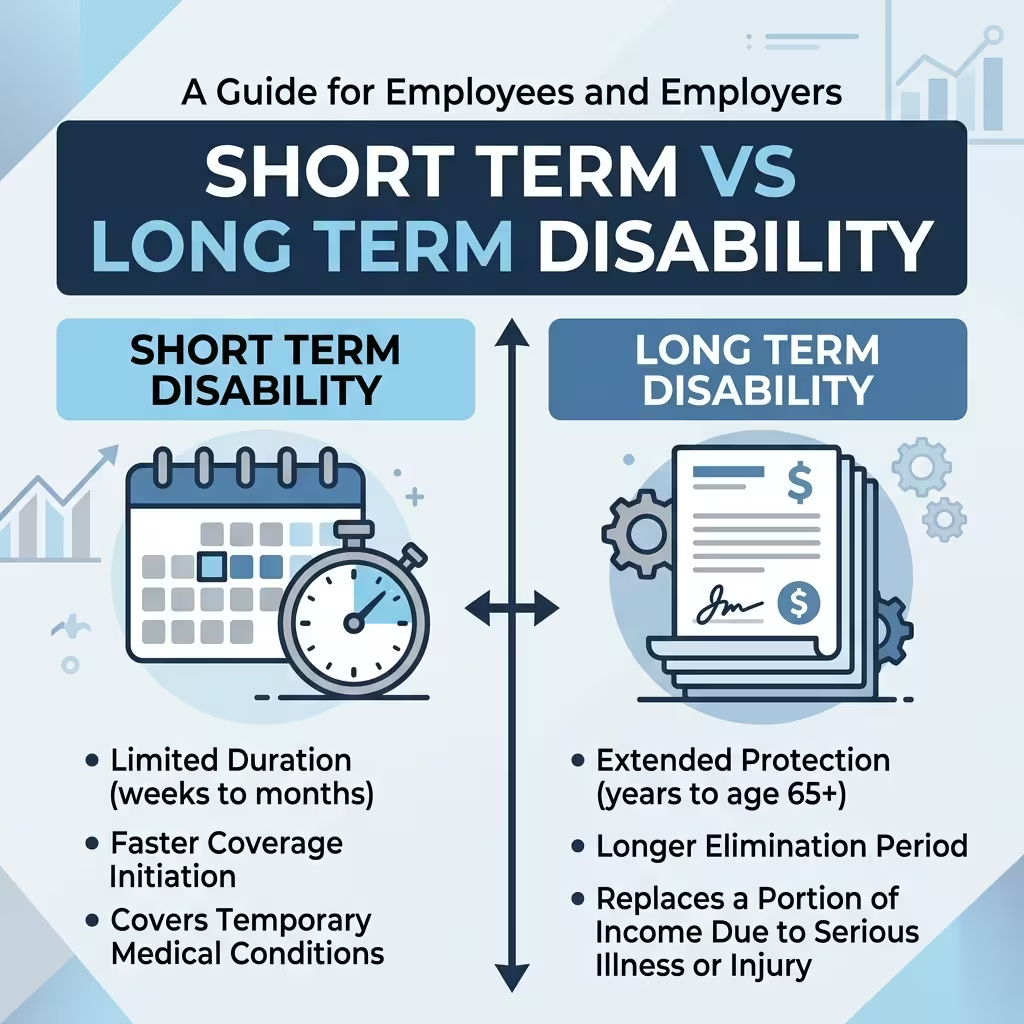
The type of condition also determines how long a claim lasts — which has a direct impact on whether short-term or long-term coverage is more relevant. Our short-term vs long-term disability guide maps this out clearly.
The “dangerous job” logic — the idea that disability is someone else’s problem because you work at a desk — has a real cost. The cost is that people who should have coverage don’t get it, and when something happens, they find out the hard way.
What This Actually Changes About Your Coverage Decisions
Understanding the leading causes of long-term disability claims changes the questions you should be asking.
Does your employer offer LTD coverage? What percentage of your income does it replace? What’s the elimination period — the waiting time before benefits start? Does the policy cover mental health conditions and cancer with the same terms as a physical injury, or does it cap those differently? Some policies do cap mental health claims at two years. That’s worth knowing.
If you’re self-employed or a contractor, there’s no group plan. Private individual disability policies exist, they’re more expensive, but they follow you regardless of employer. Worth pricing out, especially since none of the top five causes on this list care whether you have a W-2 or a 1099.
If you’re in California, Washington, Massachusetts, Colorado, or Minnesota, check your state’s paid family and medical leave program before you do anything else. Washington’s PFML pays up to $1,647 a week in 2026. California’s SDI kicks in after a seven-day wait. These aren’t replacements for private coverage, but they’re meaningful bridges for people who’d otherwise have nothing.
One specific question worth asking your HR department: does my LTD elimination period start from the first day I’m unable to work, or from the last day my short-term disability benefits run out? That question — that one specific question — determines whether there’s a coverage gap between your STD and LTD policies. A lot of people discover the gap exists when they’re already in it.
People Also Ask – PAA’s
What are the leading causes of long-term disability claims?
Musculoskeletal disorders lead at 27.6 percent. Cancer follows at 15 to 16 percent. Injuries account for 9.8 to 12 percent. Mental health conditions — mainly depression and anxiety — sit at 9.3 to 9.8 percent. Circulatory disorders round out the top five at 8.2 to 9 percent. Most are medical and chronic, not accidental.
What are common causes of disability for office workers?
Desk workers face real risk from back and neck problems, cancer, depression and anxiety, and cardiovascular events. The physical nature of a job shapes injury risk but has much less effect on chronic disease risk — which is where most of the long-term claims come from.
How likely am I to become disabled before I retire?
The SSA estimates roughly a one-in-four chance for today’s 20-year-olds. That’s a 25 percent probability across a working lifetime. Most Americans are not financially prepared for that probability.
What does SSDI pay monthly?
The average benefit is around $1,234 a month in 2026. For most Americans, that covers a fraction of normal living expenses. The approval process typically takes six months to over a year. Initial applications are denied at a high rate.
Does pregnancy count as a short-term disability claim?
Yes. Maternity — pregnancy, childbirth, and recovery — is the single leading cause of short-term disability claims in the US, at roughly 18.9 percent of all STD claims.
My Neighbor Got Back to Work
Eight months after her diagnosis. She went back to her desk, cried a little, and immediately pulled up the benefits enrollment portal and elected LTD coverage.
“I just kept thinking — what if it had been worse,” she told me over the fence one afternoon. “What if it had been two years instead of eight months. We would have lost everything.”
The causes of disability claims in this country are mostly quiet and mostly medical. A back that wore out. A cancer caught at the right time but still brutal to treat. A heart attack survived but not without cost. Depression that finally crossed a line after years of being just barely manageable.
Once you understand which conditions are most likely to affect you, the next step is making sure your coverage is sized to handle a real claim. Our disability insurance amount calculator guide helps you work out the right number.
These aren’t stories about other people. They’re stories about people who sit at desks, manage projects, pay mortgages, and assume their lives are mostly under control.
Read your policy. Ask the questions. Don’t wait for a diagnosis to find out what your coverage actually says.
About the Author
Selene Voss is a licensed insurance professional and employee benefits consultant based in the Midwest. She has spent over a decade working with employers across healthcare, logistics, and professional services on group disability programs and PFML compliance. She holds active insurance licenses in multiple states and has worked alongside hundreds of individuals navigating private LTD and SSDI claims.
Disclaimer: This article is informational only. It is not legal, financial, or insurance advice. Statistics reflect SSA data and research current as of April 2026. Coverage amounts, eligibility rules, and benefit terms vary by policy, employer, and state. Talk to a licensed insurance professional before making coverage decisions.